Keyword Research Tools
by Admin
Posted on 10-05-2025 05:54 PM
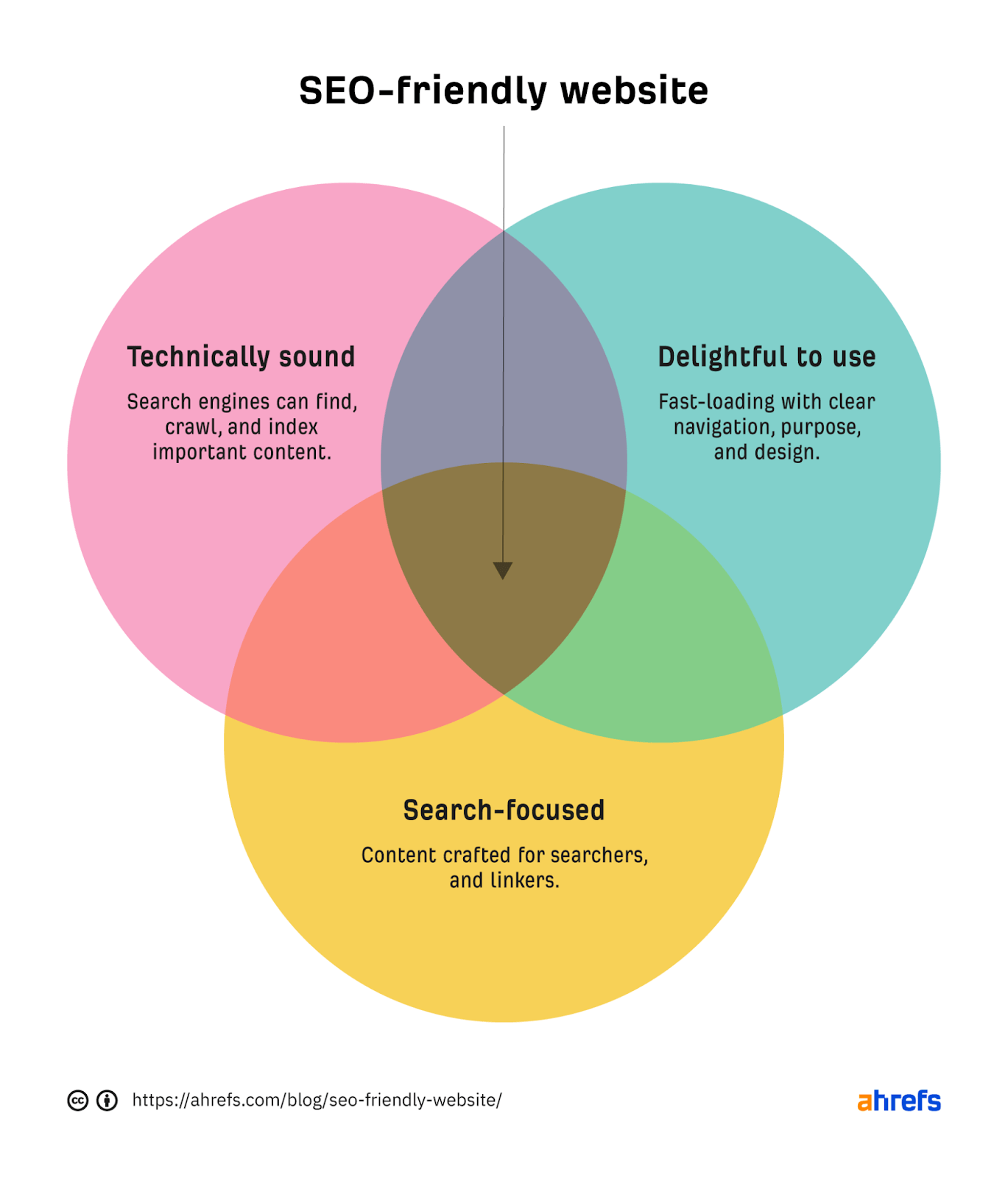
Types of Keyword Research Tools
There are several types of keyword research tools, including keyword suggestion tools, keyword analytics tools, and technical SEO audit tools. Keyword suggestion tools provide a list of relevant keywords based on a seed keyword or phrase. Keyword analytics tools provide detailed analysis of keyword performance, including search volume, competition, and cost-per-click. Technical SEO audit tools help identify technical issues on a website that may be impacting keyword performance.

Features of Keyword Research Tools
Keyword research tools offer a range of features to help users find and analyze keywords. Some common features include keyword suggestions, search volume data, competition analysis, and cost-per-click estimates. Advanced features may include keyword clustering, sentiment analysis, and content optimization recommendations. When choosing a keyword research tool, it's essential to consider the features that are most important to your business or website.
Benefits of Keyword Research Tools
Using keyword research tools can have numerous benefits for businesses and individuals. One of the primary benefits is increased website traffic. By targeting the right keywords, you can attract more relevant visitors to your website, increasing the chances of conversion. Keyword research tools can also help improve search engine rankings, as they provide insights into the keywords and phrases that search engines are looking for. Additionally, keyword research tools can help you stay ahead of the competition by identifying gaps in the market and opportunities to outrank competitors.
Technical SEO Audit Tools
Technical SEO audit tools are an essential part of keyword research tools tips, as they help identify technical issues on a website that may be impacting keyword performance, such as page speed, mobile responsiveness, and meta tags. By identifying and fixing these issues, you can improve your website's visibility and ranking in search engine results pages (SERPs). Some popular technical SEO audit tools include Ahrefs, SEMrush, and Moz.
Page Speed Optimization
Page speed is a critical factor in technical SEO. A slow-loading website can negatively impact user experience and search engine rankings. Technical SEO audit tools can help identify areas for improvement, such as optimizing images, minifying code, and leveraging browser caching. By optimizing page speed, you can improve user engagement, reduce bounce rates, and increase conversions.
Mobile Responsiveness
Mobile responsiveness is another essential aspect of technical SEO. With the majority of searches now coming from mobile devices, it's crucial to ensure that your website is optimized for mobile. Technical SEO audit tools can help identify issues with mobile responsiveness, such as font sizes, button sizes, and content layout. By ensuring that your website is mobile-friendly, you can improve user experience, increase engagement, and boost conversions.
Choosing the Right Keyword Research Tool
With so many keyword research tools available, it can be challenging to choose the right one. When selecting a tool, consider factors such as ease of use, features, and pricing. It's also essential to read reviews and testimonials from other users to get a sense of the tool's effectiveness and reliability. Some popular keyword research tools include Google Keyword Planner, Ahrefs, and SEMrush.
Common Mistakes to Avoid
When using keyword research tools, there are several common mistakes to avoid. One of the most significant mistakes is targeting keywords that are too broad or too competitive. This can lead to low conversion rates and wasted resources. Another mistake is neglecting to track and analyze keyword performance. By regularly monitoring keyword performance, you can identify areas for improvement and make data-driven decisions.
Best Practices for Keyword Research
To get the most out of keyword research tools, it's essential to follow best practices. One of the most critical best practices is to conduct thorough keyword research before creating content. This ensures that you're targeting the right keywords and phrases to attract relevant visitors. Another best practice is to regularly review and update your keyword strategy to stay ahead of the competition and adapt to changes in the market.
Conclusion
Keyword research tools are a vital component of SEO, helping businesses and individuals identify and target high-traffic keywords. By understanding the different types of keyword research tools, their features, and benefits, you can make an informed decision and choose the right tool for your needs. Remember to avoid common mistakes, follow best practices, and regularly monitor and analyze keyword performance to get the most out of your keyword research efforts.
FAQs
What is keyword research?
Keyword research is the process of identifying and analyzing keywords and phrases that are relevant to your business or website.
What are the benefits of using keyword research tools?
The benefits of using keyword research tools include increased website traffic, improved search engine rankings, and staying ahead of the competition.
How do I choose the right keyword research tool?
When choosing a keyword research tool, consider factors such as ease of use, features, and pricing, and read reviews and testimonials from other users.
What are some common mistakes to avoid when using keyword research tools?
Common mistakes to avoid include targeting keywords that are too broad or too competitive, and neglecting to track and analyze keyword performance.
Can I use keyword research tools for free?
Some keyword research tools offer free versions or trials, but most require a subscription or one-time payment to access advanced features and data.
How often should I update my keyword strategy?
You should regularly review and update your keyword strategy to stay ahead of the competition and adapt to changes in the market.